The British engineering landscape is currently navigating a profound structural paradox. At the technological frontier, the sector is pioneering world-class automated systems—underscored by high-profile deep-tech spinouts emerging from national research hubs to revolutionise engineering assurance in mega-projects. Yet, at the foundational grassroots, the academic and vocational pipeline that feeds this industrial machinery is witnessing a protracted decline in hands-on technical education. As the UK attempts to position itself as a global leader in advanced nuclear, aerospace, and sustainable infrastructure, bridging the chasm between classroom-level design literacy and frontier digital assurance has become an existential imperative for engineering ...
Every August, the UK undergoes a familiar national ritual: A-Level results day. Media coverage invariably focuses on the scramble for university places, UCAS clearing, and the traditional academic trajectory. Yet, quietly but forcefully, a counter-narrative is gaining momentum—one driven not by policymakers, but by the very young professionals already reshaping the industrial ...
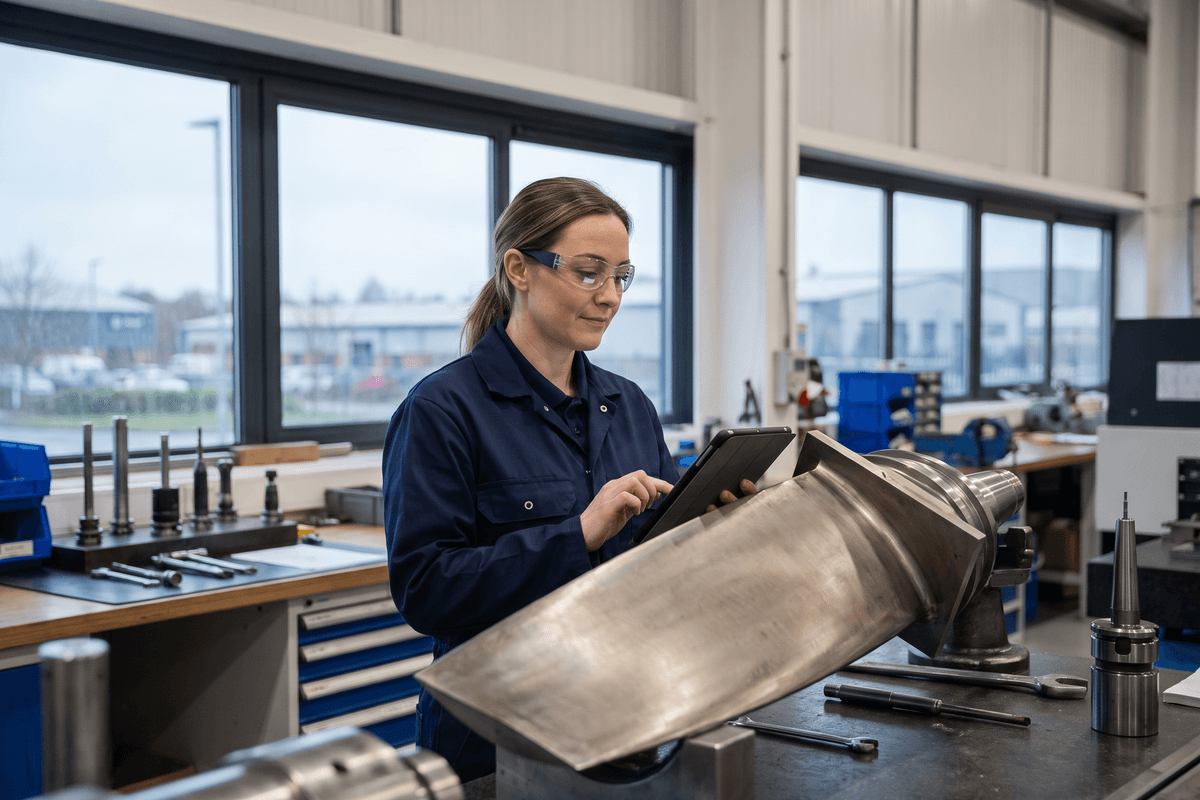
The traditional image of British manufacturing—sparks flying on heavy assembly lines—is rapidly making way for a decidedly more clinical reality. Today, the vanguard of UK engineering is found in sterile environments, where micron-level precision, high-speed robotics, and rigorous regulatory compliance intersect. This evolution has been brought into sharp focus following the ...
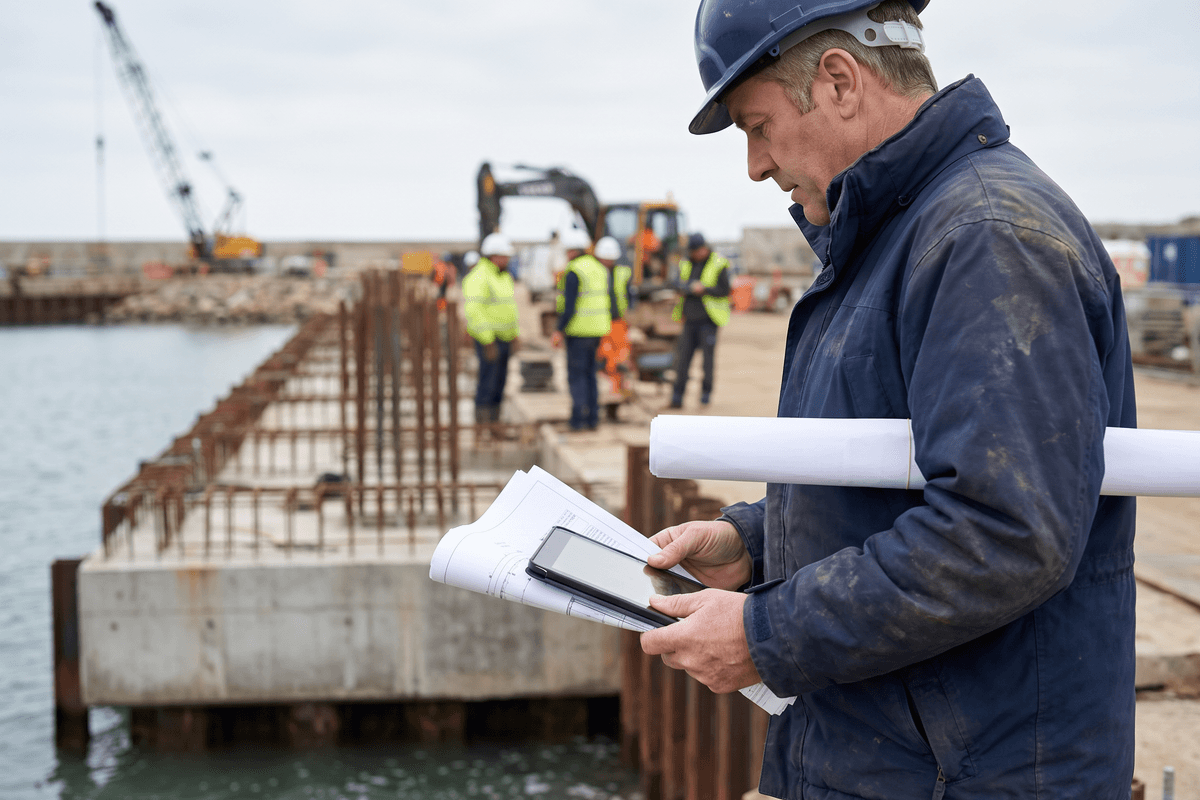
In an era defined by fluctuating material costs, high interest rates, and a sluggish commercial property sector, the UK construction and engineering landscape has felt distinctly precarious. Yet, beneath the headlines of squeezed margins and delayed developments, a powerful counter-narrative is emerging: civil engineering is not just surviving the storm; it is bankrolling the ...
When a household name synonymous with British mechanics and grassroots engineering admits to fundamentally misunderstanding the current state of the industry, it is worth paying attention. For years, a pervasive, somewhat defeatist narrative has lingered over the United Kingdom's manufacturing sector—a nostalgic lament for the smoky foundries of the past, accompanied by a ...
The United Kingdom’s engineering and manufacturing sectors are currently operating under a profound paradox: while capital investment in net-zero infrastructure and advanced automation has never been higher, the human capital required to execute these mega-projects is critically constrained. However, a crucial legislative intervention has just reshaped the landscape. The UK ...
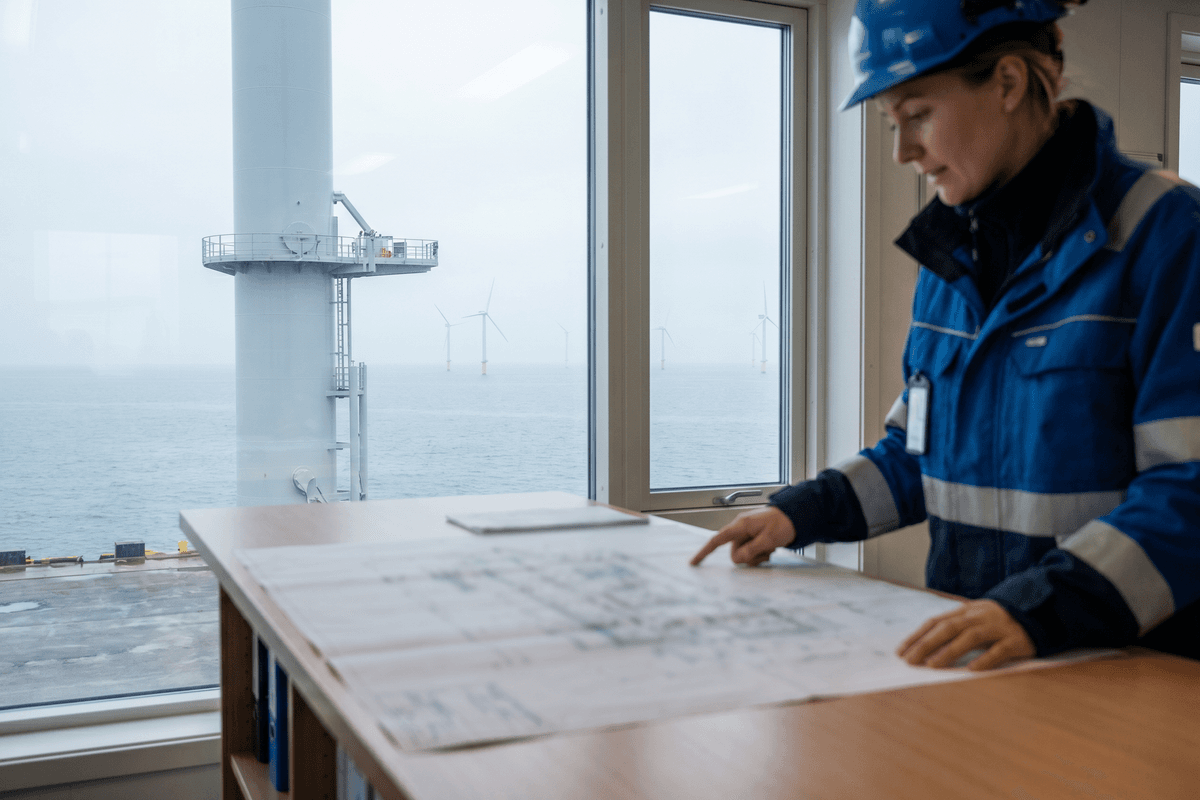
The North Sea has long been touted as the United Kingdom’s greatest modern energy asset—a blustery, shallow expanse capable of powering the nation’s net-zero ambitions. Yet, despite holding some of the most aggressive deployment targets in the world, the UK's offshore wind sector is navigating increasingly turbulent waters. Supply chain friction, glacial planning consents, ...
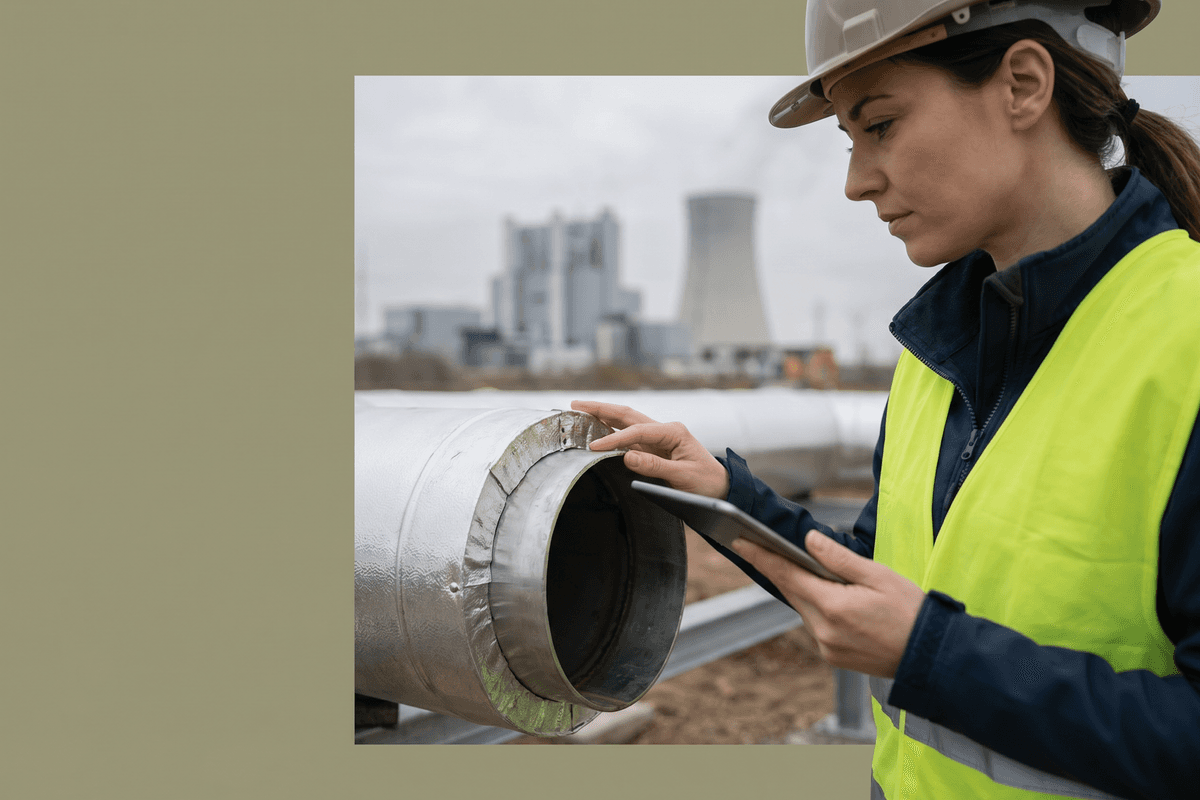
For years, the United Kingdom’s net-zero strategy has been dominated by policy whitepapers, conceptual frameworks, and funding debates. Today, those frameworks are being forged into cold, hard steel. As the industry transitions from the drawing board to the construction site, two distinct but highly complementary sectors—Carbon Capture and Storage (CCS) and nuclear power—are ...
In the UK engineering sector, two distinct narratives have long run parallel: the relentless march toward digital transformation and the chronic, seemingly intractable skills shortage. For years, industry leaders have treated these as separate challenges. However, a new wave of data and strategic investments suggests that the solution to the UK's productivity puzzle lies ...
Engineering excellence is rarely born in a vacuum; it requires a delicate equilibrium between visionary research and the pragmatic capacity to manufacture those visions at scale. Currently, the United Kingdom's engineering sector is witnessing a fascinating strategic alignment of investment that perfectly illustrates this balance. On one end of the spectrum, elite ...
In the span of a single week in 2026, the duality of the United Kingdom’s engineering sector has been laid bare with startling clarity. On one end of the spectrum, we are witnessing the painful contraction of traditional, heavy engineering tied to legacy fossil fuels. On the other, a meteoric rise in artificial intelligence, cyber-physical systems, and next-generation ...
For UK engineering professionals, the modern mega-project is a tale of two distinct, yet deeply intertwined, battlegrounds: the boardroom and the worksite. Before a single cubic metre of concrete is poured, projects must survive the labyrinthine UK planning system. Once approved, the challenge abruptly shifts to executing monumental physical feats without paralyzing the ...
The UK construction and engineering sector is notoriously cyclical. Yet, amidst fluctuating material costs, shifting policy landscapes, and persistent economic headwinds, a distinct class of contractors is not just surviving—they are breaking records. The secret to their resilience is becoming increasingly clear: a decisive pivot from single-discipline service provision to ...