Streamline infrastructure projects from concept to construction by mastering seamless, data-rich engineering workflows across the integrated tools of the Autodesk AEC Collection.
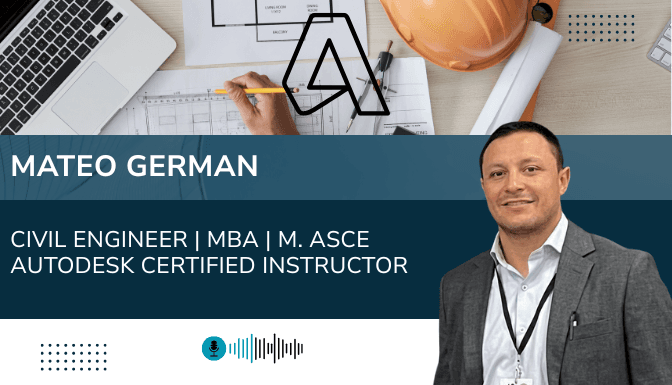
Modern civil engineering delivery is no longer defined by standalone design tools, but by connected digital workflows that span the entire project lifecycle. From concept to construction, integrated platforms are reshaping how infrastructure is planned, coordinated, and delivered across roads, utilities, land development, and major civil works.
This session provides a practical workflow framework built around Autodesk’s AEC Collection, including Civil 3D, InfraWorks, AutoCAD, Revit, and BIM Collaborate Pro. It explores how these tools operate within an ISO 19650-aligned information management environment to support consistent data flow, multidisciplinary coordination, and more informed design decisions.
Participants will gain a structured understanding of how conceptual modelling, detailed engineering, and cloud-based collaboration can be integrated into a single delivery process. Drawing on real-world applications across transport, water, land development, earthworks, and emerging digital twin ecosystems, the session focuses on improving efficiency, constructability, and project outcomes through connected design thinking.
Key Topics Discussed:
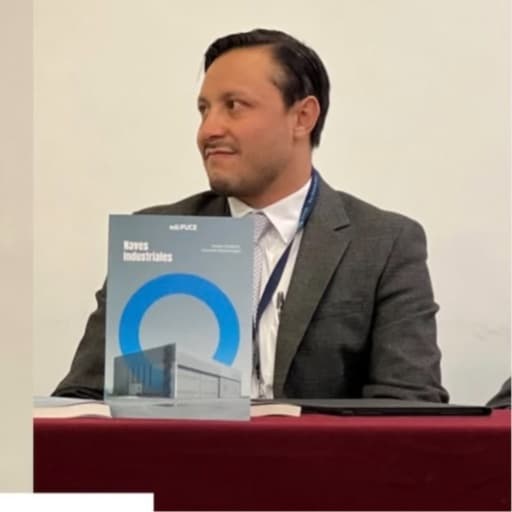
Civil Engineer and MBA Professional
Mateo V. German is a Civil Engineer with an MBA and over seven years of experience in structural engineering, industrial infrastructure, and sustainable development projects. His professional experience spans both Canada and Latin America, with involvement in structural analysis and design, seismic engineering, BIM-based workflows, construction supervision, and project management. He has worked on a variety of industrial and infrastructure projects requiring multidisciplinary coordination and technical oversight. Mateo is also engaged in academic and professional development activities, having completed advanced training in structural and seismic design, construction risk assessment, and engineering project management. He combines technical expertise with project leadership capabilities, supporting the delivery of complex engineering initiatives. In addition to his engineering practice, he has been featured through Nenquimo for his professional work and academic background, highlighting his commitment to sustainable engineering and international collaboration in the construction and infrastructure sector.
